


- University of the Pacific has expanded academic support to include 24/7 virtual tutoring through the Brainfuse platform, launched in fall 2025.
- The new service complements existing in-person peer tutoring, writing support, and research consultations on the Stockton campus.
- Students can access professional tutors on demand at any hour — addressing a critical gap for nontraditional schedules and late-night study sessions.
New Service: 24/7 virtual tutoring via Brainfuse platform
Launch Date: Fall 2025
Existing Services: In-person peer tutoring, writing support, research consultations
Key Contact: April Hayden, Assistant Director of Student Academic Support Services
It's four in the morning. A research paper is due at noon, and the thesis statement still isn't holding together. For most college students, that scenario means white-knuckling it alone — or hoping a roommate took the same class. At the University of the Pacific, that late-night academic emergency now has a direct lifeline: a round-the-clock virtual tutoring service that connects students with professional tutors in real time, regardless of the hour.
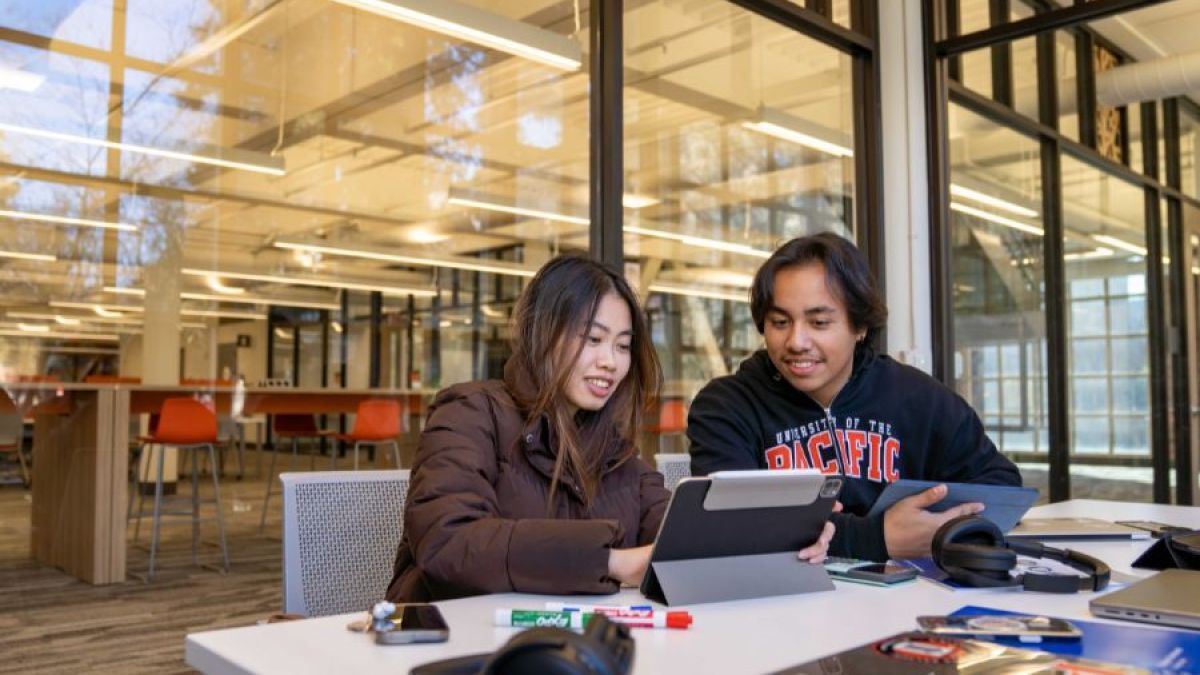
The expansion of Pacific's academic support infrastructure, announced by the university's newsroom on April 24, 2026, reflects a broader shift in how institutions are rethinking student success. It's no longer enough to keep a tutoring center open during business hours. Today's learners — balancing coursework with jobs, athletics, family obligations, and the realities of commuter life — need resources that meet them where they are, whenever they are there.
What Does 24/7 Virtual Tutoring Actually Look Like?
The centerpiece of Pacific's expanded support model is Brainfuse, an on-demand virtual tutoring platform that launched on the Stockton campus during the fall 2025 semester. Unlike appointment-based services that require students to plan ahead, Brainfuse operates as a drop-in resource available at any hour of the day or night. Students log in through their Pacific portal and are connected with a professional tutor who can assist across the full range of subjects offered at the university.
"Brainfuse is a platform where you can go online and use an on-demand service. You can literally log in anytime 24/7 and get help. Even if a student is working on homework at four in the morning, they can get help for any subject that we have here at Pacific," said April Hayden, assistant director of student academic support services, in the university's feature. Hayden noted that Brainfuse employs professional tutors "based everywhere," meaning the platform isn't constrained by Pacific Standard Time or the availability of campus-based staff.
This distinction matters. Many peer tutoring programs — valuable as they are — rely on fellow students who have their own coursework, exams, and scheduling conflicts. Brainfuse supplements that ecosystem with a layer of professional, always-available support. The result is a more resilient safety net: students who can't make it to an in-person session during the day, or who hit a wall at unconventional hours, still have somewhere to turn.
How Does This Fit Into Pacific's Existing Academic Support Ecosystem?
It's important to note that Brainfuse doesn't replace what Pacific already had in place — it extends it. The university's student academic support services already included in-person peer tutoring, dedicated writing support, and research consultations. These services remain active and are particularly valuable for students who benefit from face-to-face interaction, ongoing mentorship relationships with peer tutors, and the collaborative energy of working through problems alongside someone in the same academic community.
Writing support, for instance, addresses a need that spans every discipline on campus, from nursing to music to political science. Research consultations help students navigate library databases, refine search strategies, and develop information literacy skills that serve them long after graduation. These are high-touch, relationship-driven services that a virtual platform alone cannot replicate. What Brainfuse does is fill the gaps that inevitably exist around those offerings — the late nights, the weekends before finals, the mid-semester crunch when demand for in-person sessions outpaces supply.
The layered approach mirrors what peer institutions across the West Coast Conference (WCC) and higher education more broadly have been moving toward during the 2025–26 academic year. Universities are increasingly recognizing that a single modality of support — whether purely in-person or purely digital — leaves too many students underserved. Pacific's model, combining peer-led in-person tutoring with professional virtual assistance, reflects a mature understanding of how diverse student populations actually learn and seek help.
Who Benefits Most From This Expansion?
The most immediate beneficiaries are students whose schedules don't align neatly with traditional office hours. Pacific's student body includes a significant number of commuters, student-athletes, and students working part-time or full-time jobs in the Stockton area. For a student-athlete preparing for a historic WCC tournament appearance, for example, the hours between practice, travel, and competition can leave precious little daytime availability for academic support. Around-the-clock virtual access removes that barrier entirely.
Graduate and professional students — particularly those in Pacific's renowned pharmacy, dental, and law programs spread across the Stockton, San Francisco, and Sacramento campuses — also stand to gain. These students often operate on clinical or practicum schedules that are fundamentally incompatible with a 9-to-5 tutoring center. A platform that works at midnight or 6 a.m. acknowledges the reality of professional program demands.
First-generation college students represent another key population. Research consistently shows that first-generation students are less likely to seek academic help proactively, often due to unfamiliarity with available resources or reluctance to ask for assistance in person. The relative anonymity and low-friction nature of a virtual platform can lower that psychological barrier. You don't have to walk into a building, explain what you need, or worry about being seen — you just log in.
Why Does This Matter Beyond the Classroom?
Academic support services are often overlooked in conversations about institutional quality, but they are foundational to retention and graduation outcomes. According to the National Center for Education Statistics, students who engage with tutoring and academic support programs are significantly more likely to persist through their degree. For a university like Pacific — which already promotes its Four-Year Guarantee as a commitment to timely graduation — expanding the infrastructure that helps students stay on track is a natural extension of that promise.
There's also a broader competitive dimension. As enrollment pressures continue to intensify across private universities in California, the quality and accessibility of student services increasingly factor into recruitment. Prospective students and their families are asking harder questions about what they actually get for their tuition dollars. Being able to point to a comprehensive, student-centered support model — one that includes both human connection through peer tutoring and professional availability through a platform like Brainfuse — is a meaningful differentiator.
Pacific has been building momentum across multiple dimensions during the 2025–26 academic year, from strategic athletics hires to investments in student-facing infrastructure. The tutoring expansion fits squarely within that trajectory: a university that is investing in the full student experience, not just the headline programs.
What Comes Next for Academic Support at Pacific?

The launch of Brainfuse during fall 2025 and its continued availability through the spring 2026 semester provides Pacific's academic support team with a full academic year of data. Usage patterns — which subjects see the most demand, what hours students are logging in, how session engagement correlates with academic performance — will likely shape the next phase of the program. Hayden and her team will be well-positioned to identify gaps, expand subject coverage, and refine how virtual and in-person services complement each other.
For current Pacific Tigers looking to take advantage of the full suite of support, the message from Hayden's team is clear: the resources exist, they're flexible, and they're designed around how students actually work. Whether it's a Tuesday afternoon peer tutoring session or a Sunday, May 25 late-night Brainfuse connection before a Monday exam, the help is there. And for those students powering through long study sessions, a comfortable Stop & Smell the Roses T-Shirt from Zeus Collegiate makes a fitting reminder to take a breath between chapters.
Pacific's investment in layered, accessible academic support is more than a service upgrade — it's a statement about institutional values. When a university ensures that help is available at four in the morning, it's saying something fundamental about who it believes its students are and what they deserve. That's the kind of student-centered philosophy that sustains outcomes long after the tutoring session ends.
